

Evolution of Musical Instruments in Spain from Ancient Sounds to Modern Melodies
The Evolution of Musical Instruments in Spain tells a rich and colorful story. From simple ancient tools used to create rhythm to the powerful digital instruments of today, Spain has played an important role in shaping musical culture. This journey reflects history, religion, trade, and creativity. Step by step, Spanish music developed through different time periods, and instruments changed along with society.
Ancient Beginnings and Early Sounds
The story of the Evolution of Musical Instruments in Spain begins in ancient times. Early communities used natural materials like wood, bone, and animal skin to create basic drums and flutes. These instruments were often used in religious ceremonies and social gatherings.
When civilizations such as the Romans arrived in the Iberian Peninsula, they brought instruments like the lyre and early trumpets. These instruments introduced structured melodies and formal performances. Music slowly became more organized, and instruments became more refined in design and sound.
Medieval Influence and Cultural Exchange
During the medieval period, Spain became a meeting point for Christian, Muslim, and Jewish cultures. This cultural exchange greatly influenced the Evolution of Musical Instruments. Instruments like the oud, rebec, and early versions of the guitar became popular.
The Moorish presence in southern Spain introduced string instruments with rich tones and complex playing styles. Over time, these instruments blended with local traditions and became an important part of Spain’s artistic heritage. This rich cultural history can still be seen today in historical treasures such as the largest figurative Roman mosaic, which reflects the deep artistic and cultural influences that shaped the region. This period also laid the foundation for the Spanish guitar, which later became one of the most famous musical instruments in the world.
Religious music also grew during this time. Churches and cathedrals used organs and choral arrangements. Instruments were improved to create stronger and clearer sounds for large spaces.
The Rise of the Spanish Guitar
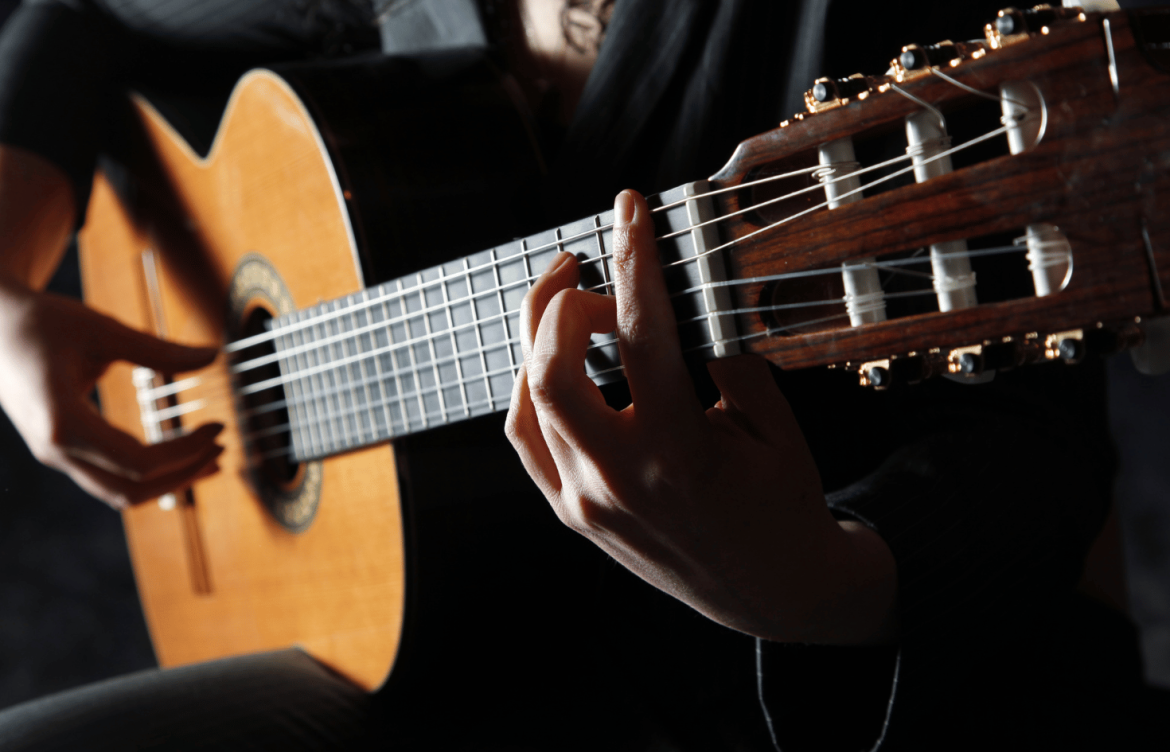
One of the most important steps in the Evolution of Musical Instruments in Spain was the development of the classical guitar. By the Renaissance and Baroque periods, the guitar had evolved from earlier string instruments. It gained additional strings and improved structure.
In the nineteenth century, luthiers refined the design of the Spanish guitar, giving it the shape and sound we recognize today. This instrument became central to flamenco music, a style deeply connected to Spanish identity. Flamenco guitars produce bright and emotional sounds that express passion and storytelling.
The guitar later spread across Europe and the Americas, influencing many music styles including classical, folk, and pop music.
Industrial Growth and Modern Innovation
The Industrial Revolution brought new tools and manufacturing methods. Instrument production became faster and more consistent. Pianos, brass instruments, and violins became widely available in Spain.
In the twentieth century, technology introduced electronic instruments. Electric guitars, synthesizers, and recording equipment changed the music scene. Spanish musicians began blending traditional sounds with modern styles like rock and pop.
Today, digital music production continues the Evolution of Musical Instruments. Software programs and electronic devices allow artists to crsssseate music without traditional physical instruments. However, traditional instruments like the Spanish guitar still remain important in cultural celebrations and performances.
Preserving Tradition While Embracing Change
Spain has carefully preserved its musical heritage. Music schools, festivals, and cultural programs teach younger generations about traditional instruments. At the same time, modern artists experiment with new sounds and global influences.
The Evolution of Musical Instruments in Spain shows how history, culture, and innovation work together. From ancient drums to digital music software, each stage added something valuable. Spain’s musical journey proves that while instruments may change in shape and technology, the human desire to create music remains the same.